
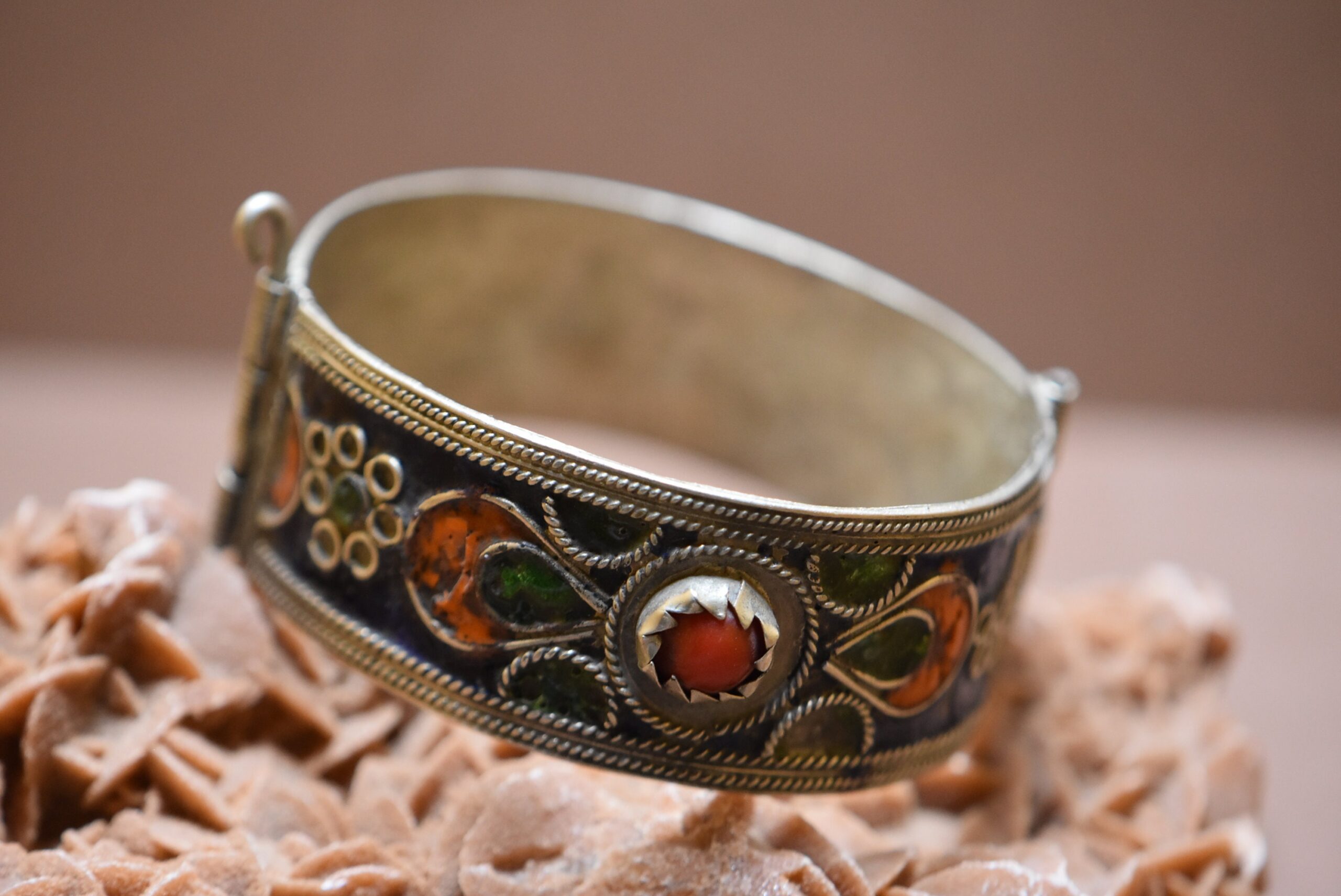
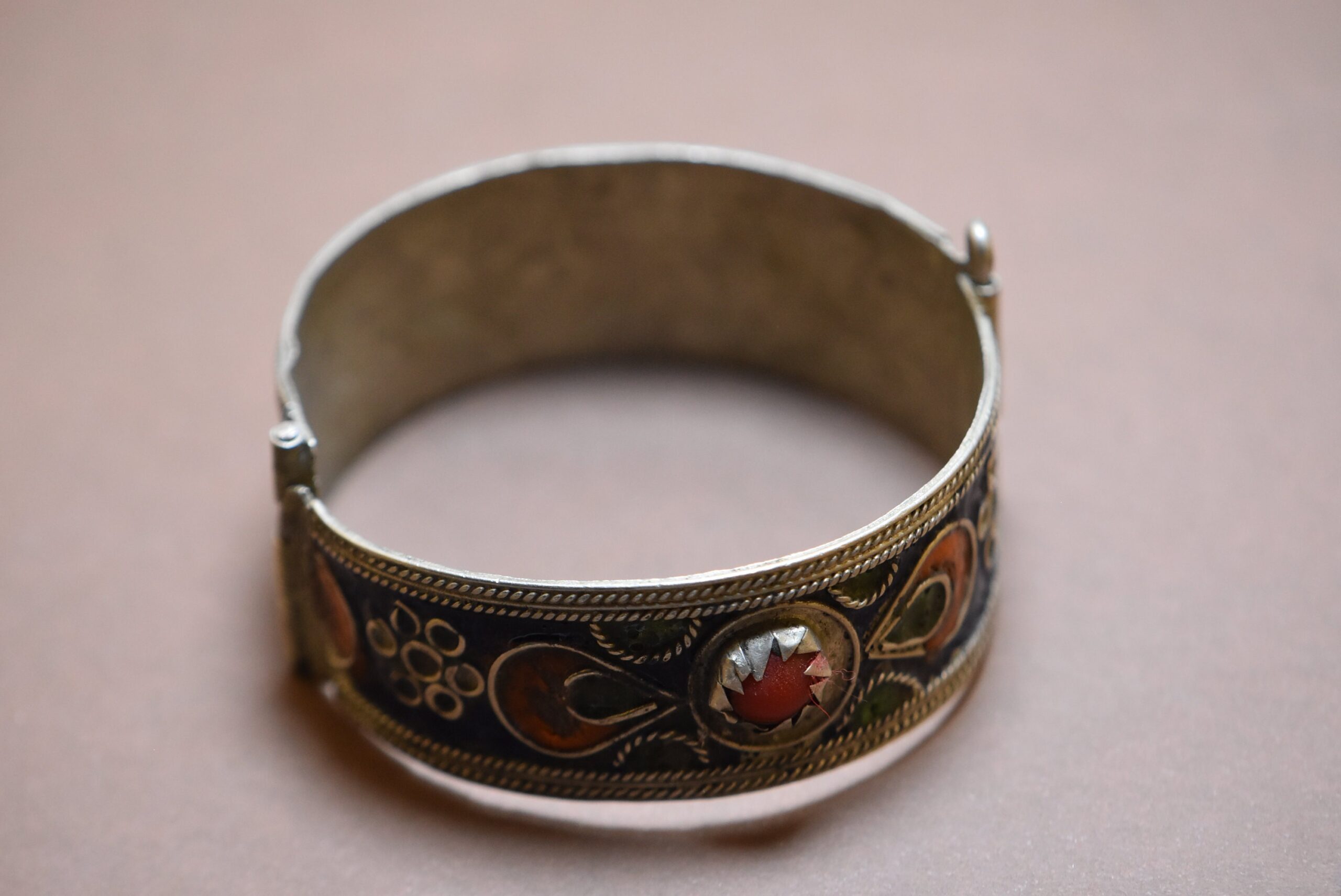
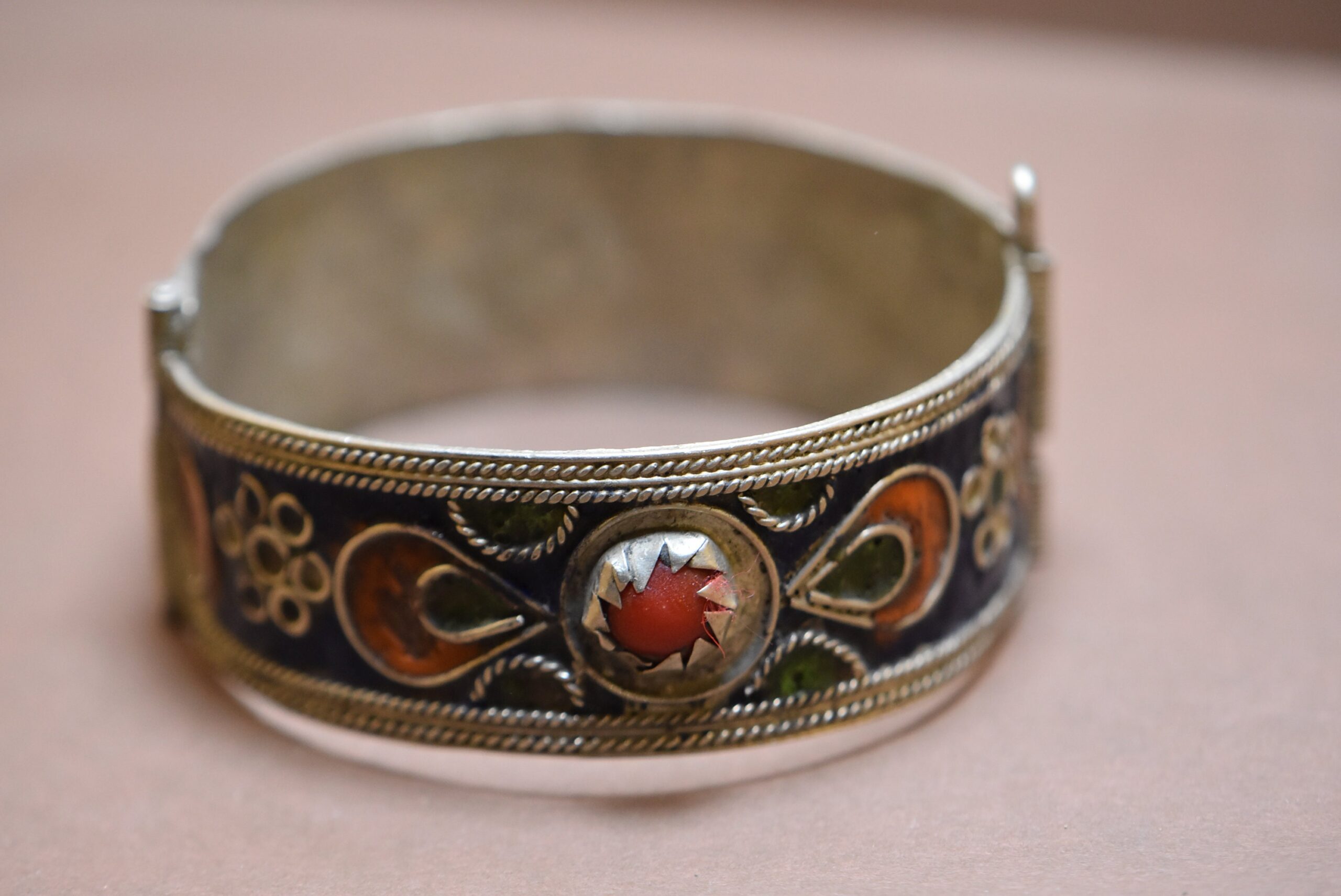
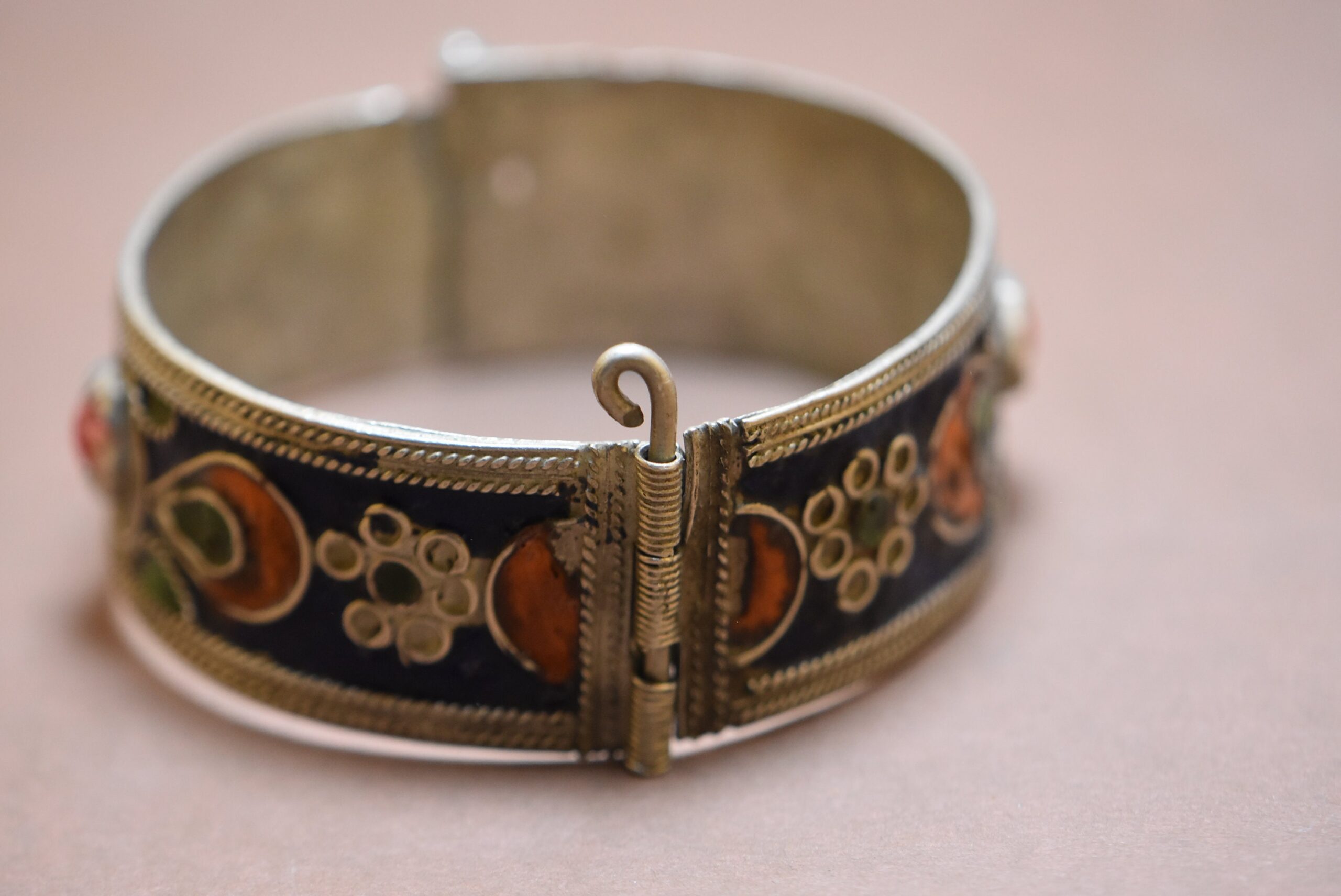
Product Details
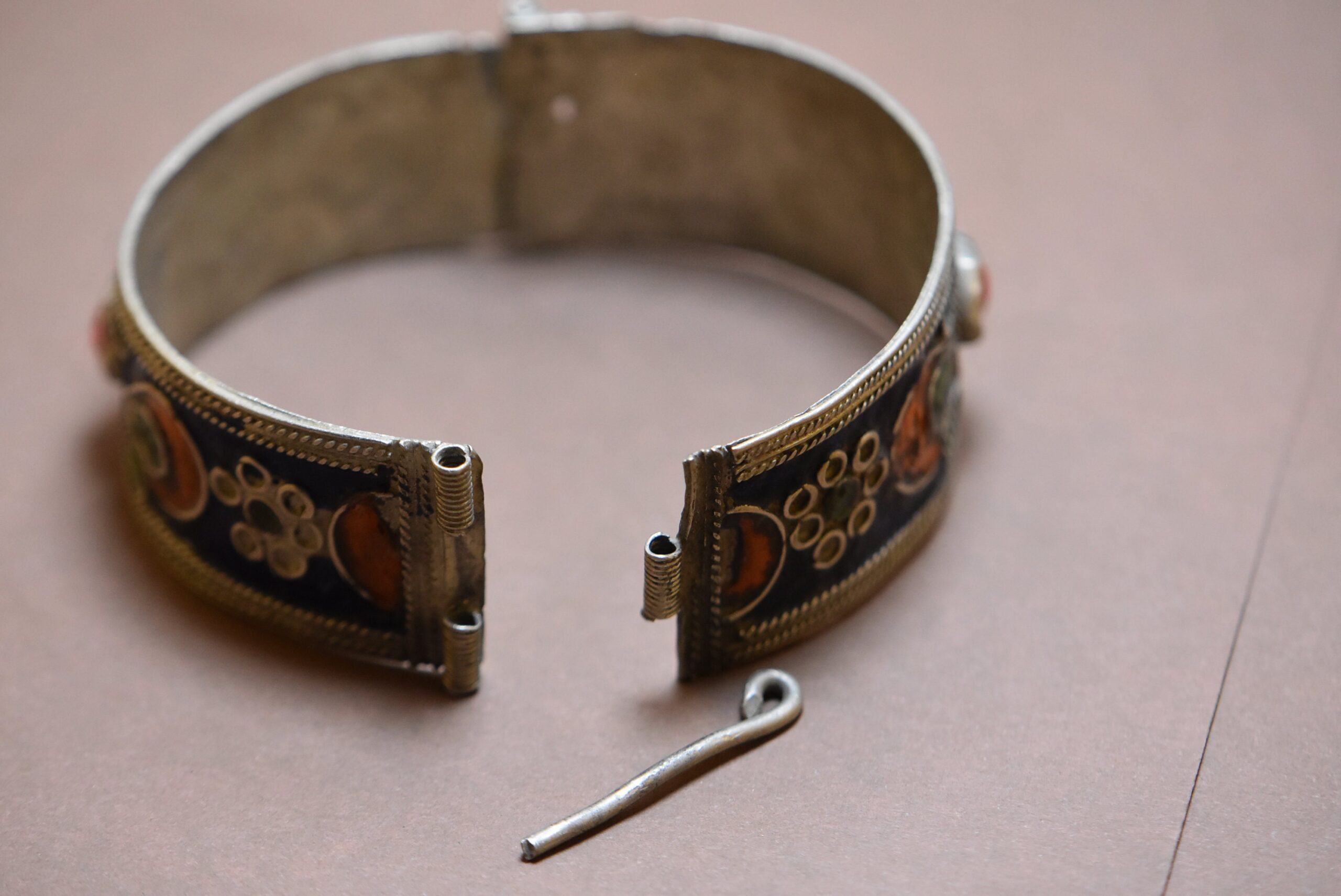
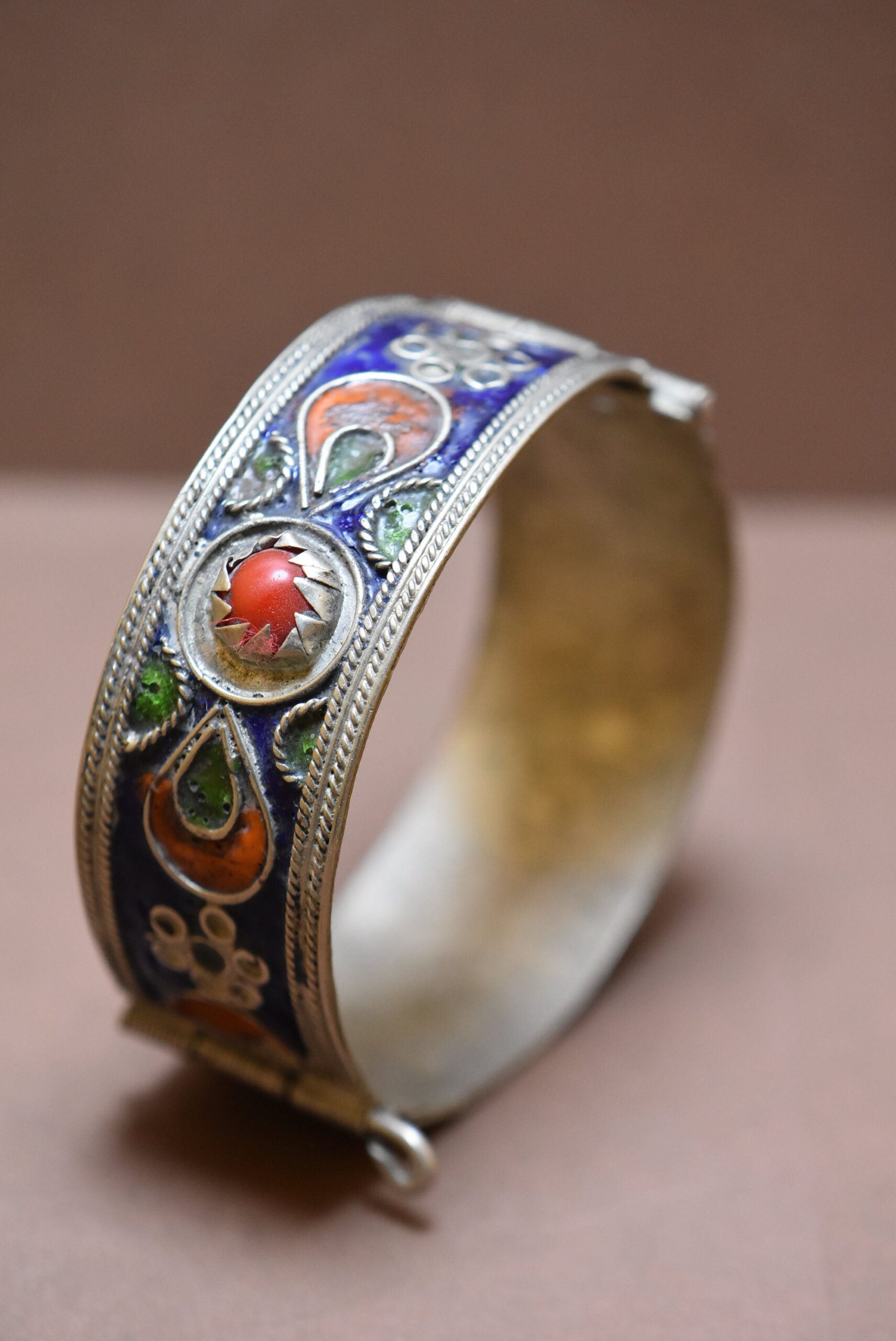
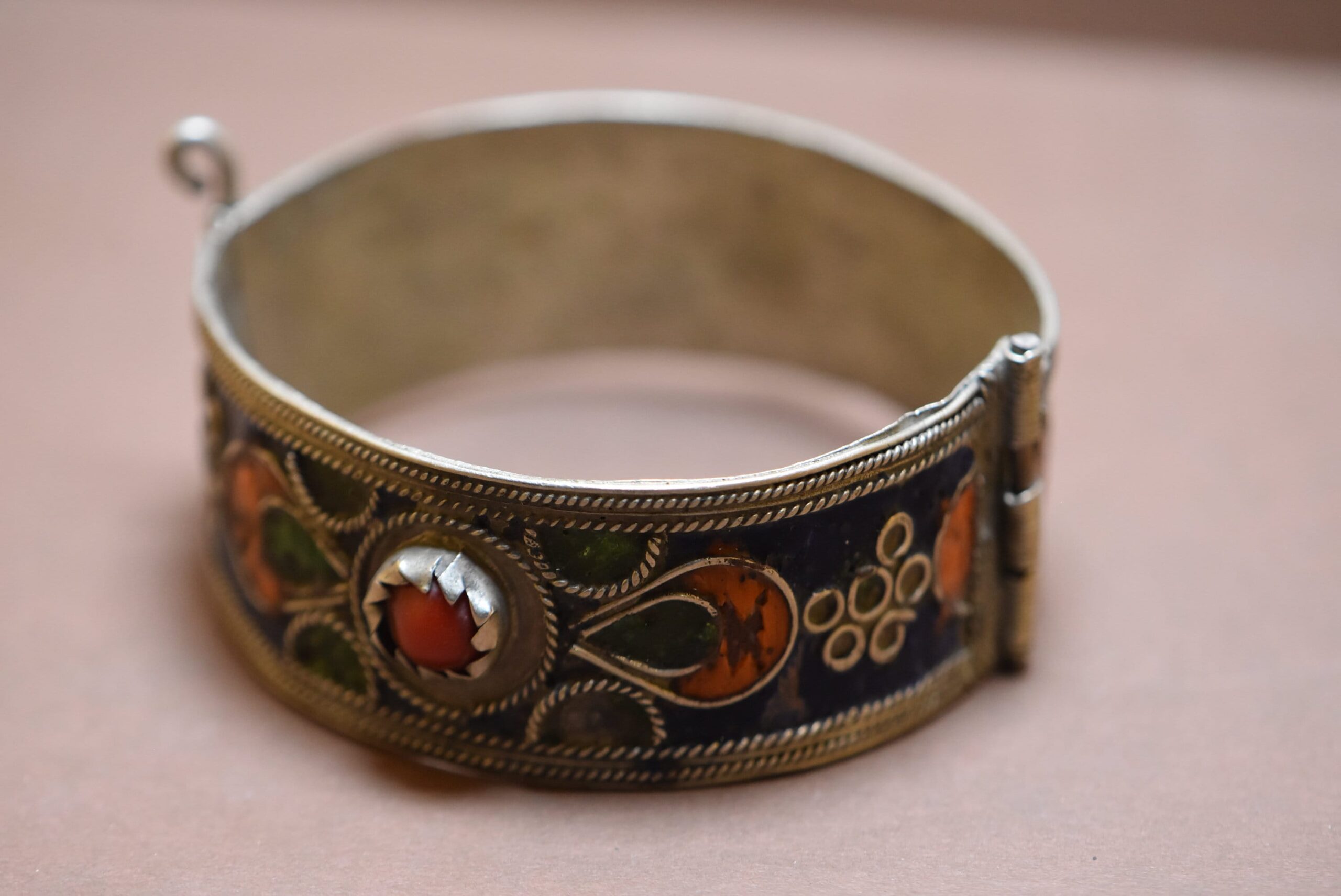
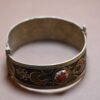
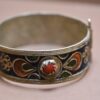
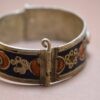
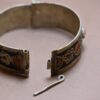
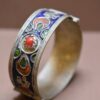
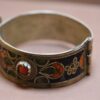
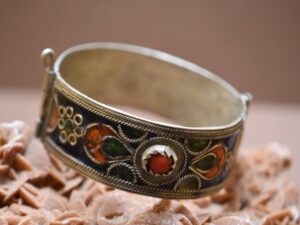
- Period: 1900/1940 MATERIAL: tested positive as high-grade silver. SIZE: 6 cm diameter WEIGHT: 33 grams Historical: It is necessary to distinguish between urban and rural jewellery. The city jewels are usually in finely carved gold with motifs, mostly floral, very slightly carved, enhanced with precious stones often in cabochon (emeralds, diamonds, garnets, very clear rubies called “Fes”), they can reach a great magnificence. They are mainly used for women. The jewel for these is an essential complement to their holiday outfit. Men, on the other hand, most often use silver jewellery. Rural jewels, in the countryside, especially in the South, the taste for adornment is very lively, and Berber jewels also have their sumptuousness. The most beautiful are silver, others are bronze despite that they retain a great nobility. They are of exceptional purity of lines, with their geometrical designs and sometimes some floral motifs. Glassware and coloured wax often replace gems and enamel. In addition to jewellery, metal work consists mainly of iron work (the use of iron for the construction of grills, windows, balconies), damasking (from Syria, inlaying in metal of smooth or twisted wires of copper, silver and gold), tinning (stubbed pieces), and working of the mallechort (copper, zinc and nickel alloy, whose white radiance resembles silver). The metals used in all these trades are silver, copper and their derivatives.




Reviews
There are no reviews yet.